
Caring for Elderly Pets: Tips to Keep Them Healthy and Happy
Just like people, our pets’ needs evolve as they age. Whether you share your home with a dog, cat, rabbit, reptile, or bird, your elderly companion deserves special attention to stay comfortable, active, and content in their golden years.
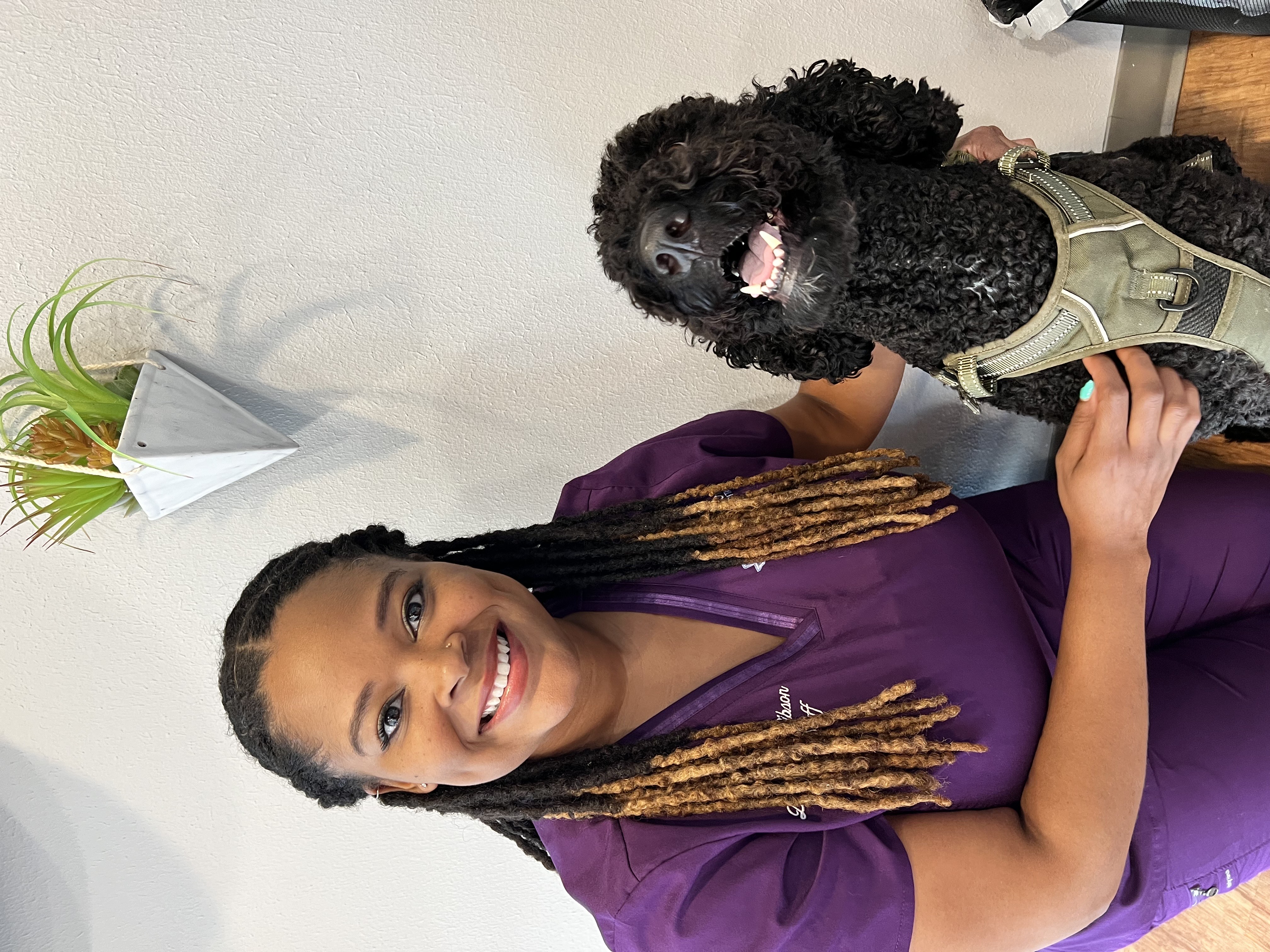
Our full-service vet hospital Gibson’s Paws, Claws & Crawls specializes in caring for pets of all species — and we know that aging looks different for each one. Below are expert tips from Dr. Gibson to help you care for your senior pet and support their health, happiness, and longevity. Remember, old age is not a disease. It is a blessing.

Senior Dog Care
Dogs are typically considered seniors around age 7 (or earlier for larger breeds). As they grow older, you may notice them slowing down, gaining weight, or developing stiffness in their joints. Their hearing, vision, or energy levels may also change. Older dogs may need extra patience and comfort, but with the right care, they can continue to live joyful, active lives.
Tips from Dr. Gibson:
Schedule regular vet visits: Senior dogs should see their veterinarian every 6 months for wellness exams.
Maintain a healthy weight: Ask about senior-specific diets to prevent joint strain and health complications.
Support their joints: Glucosamine/chondroitin and omega-3 supplements can ease stiffness and support mobility.
Encourage gentle exercise: Regular walks, swimming, and light play keep muscles strong without stress.
Create comfort: Offer a soft bed, non-slip flooring, and easy access to food, water, and outdoor spaces.

Senior Cat Care
Most cats reach their senior years around age 10. Cats are skilled at hiding pain or discomfort, so small changes (like grooming less, sleeping more, or avoiding food) can be signs of underlying issues. Senior cats thrive in calm, predictable environments that make them feel safe and loved.
Tips from Dr. Gibson:
Watch for health changes: Weight loss, increased thirst, or increased urination may point to kidney or thyroid disease.
Encourage gentle movement: Short play sessions maintain mobility and mental sharpness.
Make life accessible: Use low-entry litter boxes and raised food bowls to reduce strain.
Prioritize dental care: Regular cleanings prevent pain and infections that affect appetite and mood.

Caring for Older Small Mammals (Rabbits, Guinea Pigs, Ferrets & More)
Smaller pets age more quickly than dogs and cats. They may sleep more, lose muscle tone, or play less as they grow older. Because of their shorter lifespans, early attention to comfort, diet, and grooming is key to keeping them healthy.
Tips from Dr. Gibson:
Monitor their diet: Dental issues can make chewing painful. Watch for changes in eating habits.
Provide cozy housing: Add soft bedding and ensure they can easily move around their enclosure.
Maintain temperature: Older pets can be sensitive to drafts or heat—keep their space warm but not overheated.
Help with grooming: Regular brushing supports hygiene, especially for pets with limited mobility.

Caring for Senior Reptiles
Reptiles don’t show age the same way mammals do, but their care still evolves over time. As they age, reptiles may become less active, eat less frequently, or have slower metabolisms. Since lifespan varies by species, it’s essential to research your reptile’s specific needs and have regular check-ups with your vet.
Tips from Dr. Gibson:
Keep temperatures steady: Older reptiles rely on consistent lighting and heat for proper digestion and health.
Adjust their diet: Modify feeding frequency and food type based on changes in activity and appetite.
Ensure hydration: Always provide clean, accessible water sources.
Get routine checkups: Regular vet exams help identify shell, skin, or metabolic issues early.

Caring for Senior Birds
Many bird species (like parrots, cockatiels, and finches) can live for decades, and their needs change as they age. Senior birds may become quieter, tire more easily, or show duller feathers. With proactive care and enrichment, they can remain vibrant and social for years to come.
Tips from Dr. Gibson:
Schedule annual or biannual vet visits: Preventative care is key for long-term health.
Feed a balanced diet: Include pellets, fresh fruits, and vegetables. Avoid seed-only diets.
Provide mental enrichment: Puzzle toys, gentle interaction, and new perches keep them stimulated.
Use softer perches: Broader, padded perches protect aging feet and joints.
General Elderly Pet Care Tips for All Species
Stay consistent: Routine helps reduce anxiety and makes it easier to notice changes in behavior or health.
Adapt their environment: Adjust for mobility, vision, or hearing changes to keep them safe.
Monitor behavior: Appetite, energy, or bathroom changes often signal health issues.
Show daily affection: Your time, touch, and presence are the best medicine of all.
Give Your Senior Pet the Care They Deserve
Aging is a natural and beautiful part of life. With attentive care and regular wellness checks, your senior pet can continue to thrive.
We’re here to support your pet of every age and species. Whether it’s a wellness exam, dietary guidance, or surgery, our vet-led team is committed to helping your companion live their healthiest, happiest life.
🐾 Call us at (281) 443-2626 to schedule a wellness visit with us and give your senior pet the care they deserve!
(for existing clients)

A balanced diet formulated for senior cats, maintaining a healthy weight kittens , and providing soft, supportive bedding can make