
The Complete Guide to Traveling With Pets: Expert Tips for Dogs, Cats, Birds, Reptiles & Exotic Animals
Updated: Jun 9

Travel season is in full swing, and whether you're heading out for a quick weekend getaway or planning a cross-country adventure, bringing your pet along can make the journey truly special. At Gibson's Paws, Claws & Crawls, we're all about helping pet owners keep their animals comfortable, safe, and stress-free—whether they're furry, feathered, or scaly.
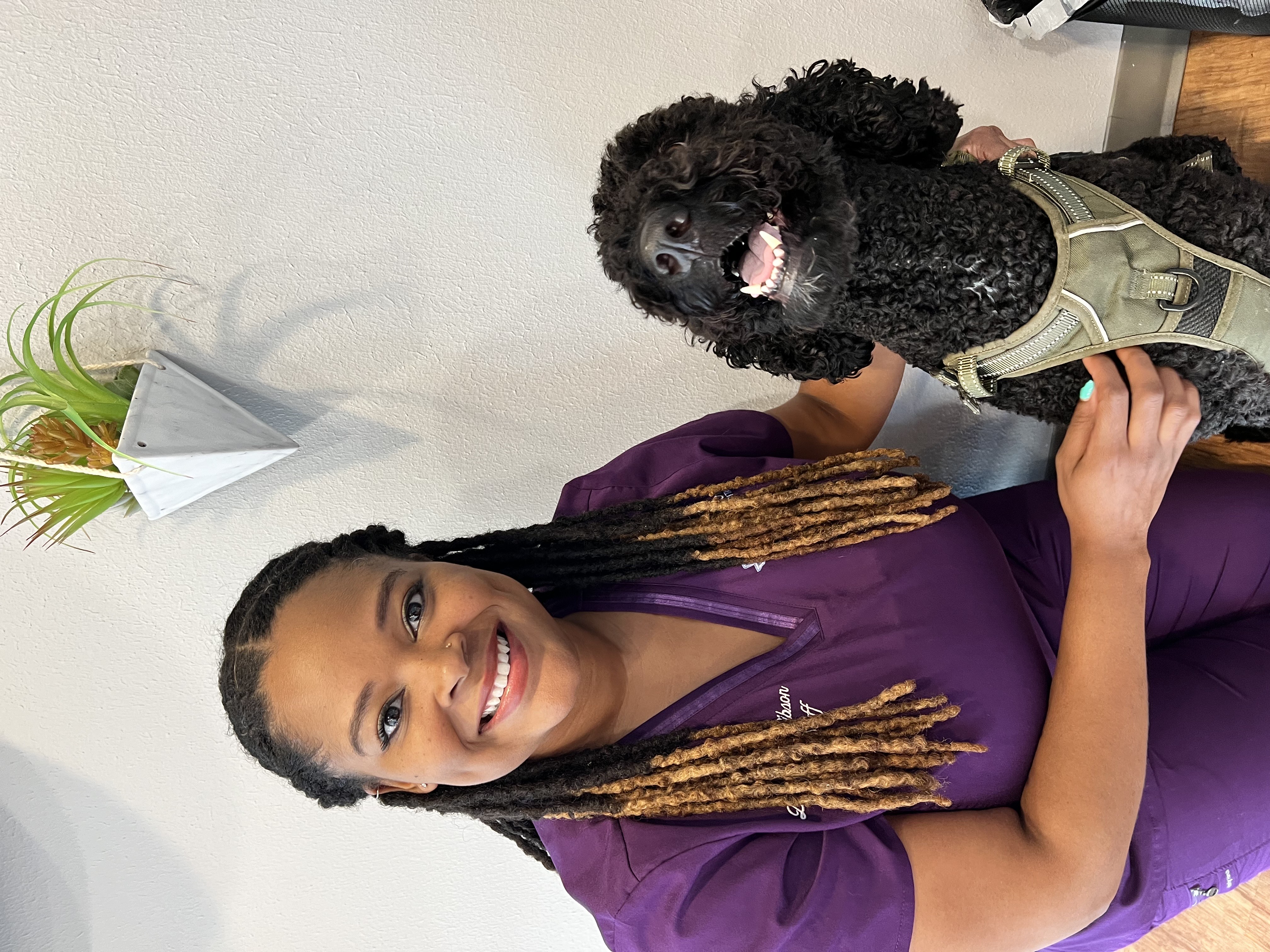
Here's your complete guide from Dr. Gibson to traveling with pets of all kinds, from dogs and cats to birds, reptiles, and exotic animals.
1. Schedule a Pre-Travel Health Check With Your Veterinarian
Before you hit the road, make sure your pet is healthy enough for travel. Even routine trips can be physically demanding for animals, especially those with sensitive stomachs, chronic conditions, or unique habitat requirements.
What to do before your trip:
Schedule a wellness exam with your local veterinarian
Update vaccinations and preventative medications
Request copies of medical records for emergencies
For exotic pets like reptiles, birds, and small mammals, ask about temperature, humidity, and feeding management during travel
Discuss anxiety or motion sickness solutions if
your pet gets nervous
A quick veterinary check-up now can prevent unexpected stress and health issues later. If you're in the Houston area, Gibson's Paws, Claws & Crawls offers comprehensive wellness exams for dogs, cats, and exotic animals—giving you peace of mind before you travel.
2. Choose the Right Pet Carrier or Travel Setup
Your pet's carrier is essentially their home away from home during the trip. Investing in a safe, comfortable, and properly sized carrier makes travel less stressful for everyone.
Pet carrier recommendations by species:

Dogs & cats: Well-ventilated carriers or crash-tested harnesses
and car seat restraints
Birds: Sturdy travel cages with secure perches and minimal loose items
Reptiles (snakes, lizards, turtles): Escape-proof containers with temperature control options
Small mammals (rabbits, guinea pigs, hamsters): Carriers with soft bedding that won't shift during movement
Vet tip: Let your pet explore their carrier at home for a few days before the trip. This helps them associate it with comfort instead of stress.
3. Pack Pet Travel Essentials (Use This Checklist!)
Just like you pack your toiletries and favorite snacks, your pet needs their essentials too. Create a dedicated travel bag with everything they rely on daily.
Pet travel packing list:
Food and treats (pack extra in case of delays)
Portable water bottles and collapsible bowls
Medications, supplements, and prescriptions
Favorite blanket, toy, or comfort item
Waste bags, litter box, puppy pads, or cleaning supplies
Leash, harness, or collar with updated ID tags
Heat sources or humidity tools for reptiles and amphibians
Extra bedding and nesting materials for small mammals
First-aid kit tailored to your pet's species
Don't forget: Bring your pet's medical records and your veterinarian's contact information, especially if traveling out of state.
4. Keep Your Pet Comfortable During Travel
Once you're on the road, your pet's comfort should be your top priority. Different species have different needs, so pay attention to what helps them stay calm.
Travel comfort tips by pet type:

Dogs & cats: Maintain good airflow, offer frequent breaks for bathroom needs and stretching, and avoid feeding large meals right before long drives
Birds: Keep them away from drafts and sudden temperature changes; cover the cage partially if they seem overstimulated
Reptiles: Use heat packs or insulated carriers to maintain stable temperatures throughout the journey
Small mammals: Place carriers in quiet areas of the car to reduce stress from noise and movement
Motion sickness prevention: Avoid feeding your pet a large meal 2-3 hours before travel. Small snacks are fine, but a full stomach can lead to discomfort.
5. Plan Your Pet-Friendly Travel Route and Stops
A smooth trip comes down to good planning. Whether you're driving or flying, map out pet-friendly stops and accommodations ahead of time.
If you're driving with pets:
Schedule breaks every 2-3 hours for water, bathroom breaks, and mental resets
Research pet-friendly rest stops along your route
Never leave pets in a parked car—temperatures can become deadly in minutes, even with windows cracked
If you're flying with pets:
Check airline pet policies well in advance (many have breed and species restrictions)
Confirm carrier size requirements and necessary health certificates
Book direct flights when possible to minimize stress
If you're staying overnight:
Reserve pet-friendly hotels or vacation rentals ahead of time
Double-check policies for exotic animals, as rules vary widely
Bring cleaning supplies in case of accidents
6. Reduce Travel Stress for Your Pet
Even the calmest animals can feel overwhelmed by new environments, sounds, and smells. Watch for signs of stress and take steps to keep your pet feeling secure.
How to minimize pet travel anxiety:
Stay calm yourself—your energy directly impacts your pet's behavior
Use familiar blankets or towels to cover carriers if your pet seems overstimulated
Play soft music or white noise to drown out startling sounds
Ask your veterinarian about calming supplements or anxiety medications if needed
Sometimes the smallest comfort item—a favorite toy or a worn t-shirt with your scent—makes the biggest difference.
7. Prepare for Pet Travel Emergencies

No one expects emergencies, but being prepared gives you peace of mind and helps you respond quickly if something goes wrong.
Emergency preparedness checklist:
Save emergency veterinary clinic contacts along your travel route
Pack a species-specific first-aid kit (bandages, antiseptic, tweezers, etc.)
Bring backup temperature regulation tools for reptiles and birds
Keep a recent photo of your pet in case they get lost
Ensure your pet's microchip information is up to date
If you're traveling in or around the Houston, TX area, save Gibson's Paws, Claws & Crawls' contact information: (281) 771-3647. We offer urgent care for dogs, cats, and exotic animals.
8. Help Your Pet Settle Into New Surroundings
Arriving at your destination is exciting, but your pet needs time to adjust to unfamiliar smells, sounds, and spaces.
How to help your pet acclimate:
Set up their food, water, bedding, or habitat immediately upon arrival
Let them explore the new space slowly and safely
Stick to their regular feeding, play, and sleep schedule as much as possible
Provide a quiet retreat space where they can decompress
Pets feel more secure when their routine stays consistent, even in a new place.
Stress-Free Pet Travel Starts With Preparation
Whether your companion is furry, feathered, or scaly, they deserve a travel experience that's safe, comfortable, and as stress-free as possible. With the right preparation, you and your pet can enjoy every moment of the journey together.
Need help preparing your pet for travel? Gibson's Paws, Claws & Crawls in Spring/Humble, Texas offers wellness exams, emergency services and expert care for dogs, cats, birds, reptiles, and exotic animals. Because we know your pets are family, we treat them with the same love and attention we give our own.
Schedule an appointment today:
📍 22732 Cypresswood Dr., Spring, Texas 77373
Safe travels from all of us at Gibson's! 🐾
(for existing clients)


Comments