
Common Preventative Pet Surgeries: What Every Pet Owner Should Know
Updated: Jun 9
As pet parents, we all want the same thing: as many happy, healthy years with our animals as possible. Regular checkups, vaccines, and good nutrition go a long way — but preventative veterinary surgeries are often the most overlooked piece of long-term pet care.
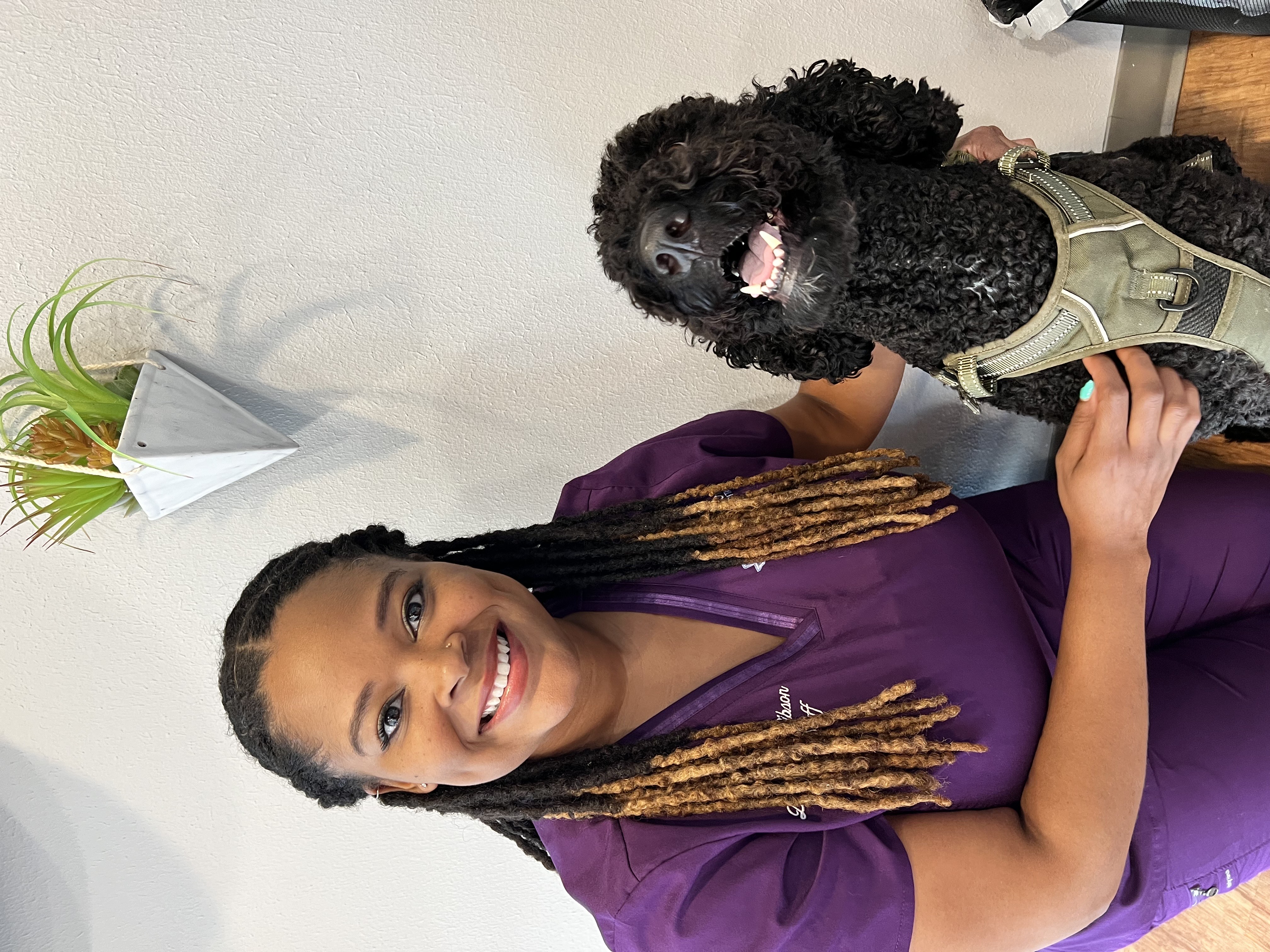
With 13 years of veterinary experience, Dr. Gibson founded her clinic on a simple belief: that every pet — from dogs and cats to exotic and aquatic animals — deserves access to high-quality care without the referral delays or specialty hospital costs. At Gibson's Paws, Claws & Crawls, we perform a wide range of preventative surgeries in-house, and we're sharing what every pet owner should know.
Dr. Gibson walks you through the most common preventative pet surgeries vets recommend: what to expect, when timing matters, and why early action makes all the difference.

What Is Preventative Veterinary Surgery?
Preventative surgeries aren't about fixing a current problem — they're about reducing the risk of future ones. In many cases, these procedures help pets avoid serious illness, life-threatening
emergencies, and costly treatments down the road.
Think of it as getting ahead of the issue rather than reacting to it later.
Spay Surgery for Female Pets
Spaying is the surgical removal of a female pet's ovaries and uterus.
Why vets recommend it:
Prevents unwanted pregnancies
Eliminates the risk of pyometra (uterine infection), which can be fatal if untreated
Significantly reduces the risk of mammary tumors, especially when done before the first heat cycle
What to expect: Recovery is typically smooth, with a few days of rest and limited activity. Most pets are back to their normal selves quickly.
Neuter Surgery for Male Pets
Neutering is the surgical removal of a male pet's testicles.
Why vets recommend it:
Prevents unwanted litters
Eliminates the risk of testicular cancer and reduces the risk of prostatic disease
Can reduce roaming, marking, and other hormone-driven behaviors
What to expect: Neutering is generally a shorter procedure than a spay, with a recovery period of just a few days.
Veterinary Dental Cleanings (and Extractions)

Professional dental cleanings are among the most common (and most underestimated) preventative procedures in veterinary medicine.
Why vets recommend them:
Prevent periodontal disease, which affects the majority of pets over age three
Relieve pain from infected or damaged teeth
Protect your pet's heart, kidneys, and liver; dental bacteria can enter the bloodstream and affect major organs
What to expect: Your pet will be placed under anesthesia so the veterinarian can safely perform dental radiographs and clean below the gumline. If teeth are damaged or infected, extraction may be recommended to prevent further complications.

Gastropexy: Bloat Prevention for At-Risk Dogs
A gastropexy is a surgical procedure that anchors the stomach to the abdominal wall, preventing it from twisting. It's most commonly recommended for large, deep-chested breeds like Great Danes, German Shepherds, Standard Poodles, and Weimaraners.
Why vets recommend it:
Prevents gastric dilatation-volvulus (GDV), commonly called bloat — a sudden, life-threatening emergency with a high mortality rate if untreated
What to expect: Gastropexy is often performed at the same time as a spay or neuter in high-risk breeds, making it a natural add-on with minimal additional recovery.
Early Mass Removal
Not every lump is dangerous, but removing suspicious masses early can make all the difference in outcomes.
Why vets recommend it:
Allows early biopsy and diagnosis
Prevents growth or spread of malignant tumors
Reduces the complexity and cost of treatment when caught early
What to expect: If your veterinarian recommends removal, it's typically because early intervention is far safer than a wait-and-see approach.
Preventative Surgery for Exotic Pets, Birds, and Farm Animals
Preventative surgical care isn't just for dogs and cats. Birds, reptiles, small mammals, and farm animals have their own unique health risks — and many benefit significantly from early intervention.
Birds (Avian)
Beak, Wing and Nail Care — routine maintenance such as beak, nail and wing trimming can prevent flight-related injuries, overgrown beaks and broken nails
Mass and cyst removal — birds are prone to lipomas and feather cysts that can grow quickly and interfere with movement or quality of life
Reproductive surgeries — chronic egg-laying is a serious and common problem in female birds; surgical or hormonal intervention can be life-saving
Reptiles

Dystocia treatment — egg-binding in female reptiles (snakes, lizards, tortoises) can become fatal without surgical intervention
Mass removal — reptiles develop abscesses and tumors that often require removal before they affect organ function
Coelioscopy — minimally invasive internal examination that can identify disease early and, in some cases, allow for surgical correction
Small Exotic Mammals (Rabbits, Guinea Pigs, Ferrets, Rats)
Spay and neuter for rabbits and guinea pigs is strongly recommended; uterine cancer rates in unspayed female rabbits can be extremely high by middle age
Adrenal surgery for ferrets — adrenal disease is one of the most common health issues ferrets face, and surgical removal of the affected gland is often curative
Tumor removal — rats and other small mammals are prone to mammary tumors that benefit from early removal
Dental procedures — herbivores like rabbits and guinea pigs require specialized dental care to prevent overgrown teeth, malocclusions, and periodontal disease
Farm Animals (Goats, Pigs, Sheep, Chickens)

Castration and disbudding in goats and sheep are standard preventative procedures that reduce injury risk and behavioral complications
Prolapse repair — uterine or rectal prolapse in sheep, goats, and pigs can often be corrected surgically when caught early
Bumblefoot debridement in chickens is a common surgical procedure that prevents serious infection from spreading
Hoof Care and Trimming — routine hoof trimming is critical in sheep and pigs to prevent lameness and infections
Every species has its own set of risks, timelines, and surgical considerations. If you have an exotic pet or farm animal and aren't sure what preventative care looks like for them, our team is experienced across a wide range of species and happy to talk through what's appropriate for your animal.
Frequently Asked Questions About Preventative Pet Surgery
At what age should pets be spayed or neutered? This varies by species, breed, and size. Your vet will recommend the ideal timing based on your individual pet.
Are these surgeries covered by pet insurance? Many pet insurance plans cover preventative or elective surgeries, check your policy details before your appointment.
How do I know if my dog is a high-risk breed for bloat? Large, deep-chested breeds are most at risk. Ask your vet whether a preventative gastropexy makes sense at the time of spay or neuter.

How Much Do Preventative Pet Surgeries Cost?
The cost of preventative surgery varies depending on your pet's species, size, age, and overall health — but the investment is almost always less than treating the
conditions these procedures prevent.
At Gibson's, we believe cost should never be a barrier to good care. That's why we're upfront about pricing from the start and offer flexible payment options from Care Credit, Cherry and Scratch Pay, so you can make the best decision for your pet without financial stress. Our team will walk you through estimated costs before any procedure, so there are no surprises.
Preventative care today is almost always more affordable than emergency care tomorrow — and we're here to help make it accessible for every family.
The Bottom Line
Preventative surgeries can feel like a big step, but they're often the most proactive investment you can make in your pet's long-term health. It's not about doing more; it's about doing what's necessary before a problem becomes a crisis.
If you have questions about any of these procedures or want to know what's right for your specific pet, our vet-led team is here to help. If you’re a pet parent in the Houston, TX area come in, ask questions, and let's build a care plan that keeps your pet healthy for years to come.
(for existing clients)


Comments