
Why Pet Vaccines Matter | Gibson's Paws, Claws & Crawls
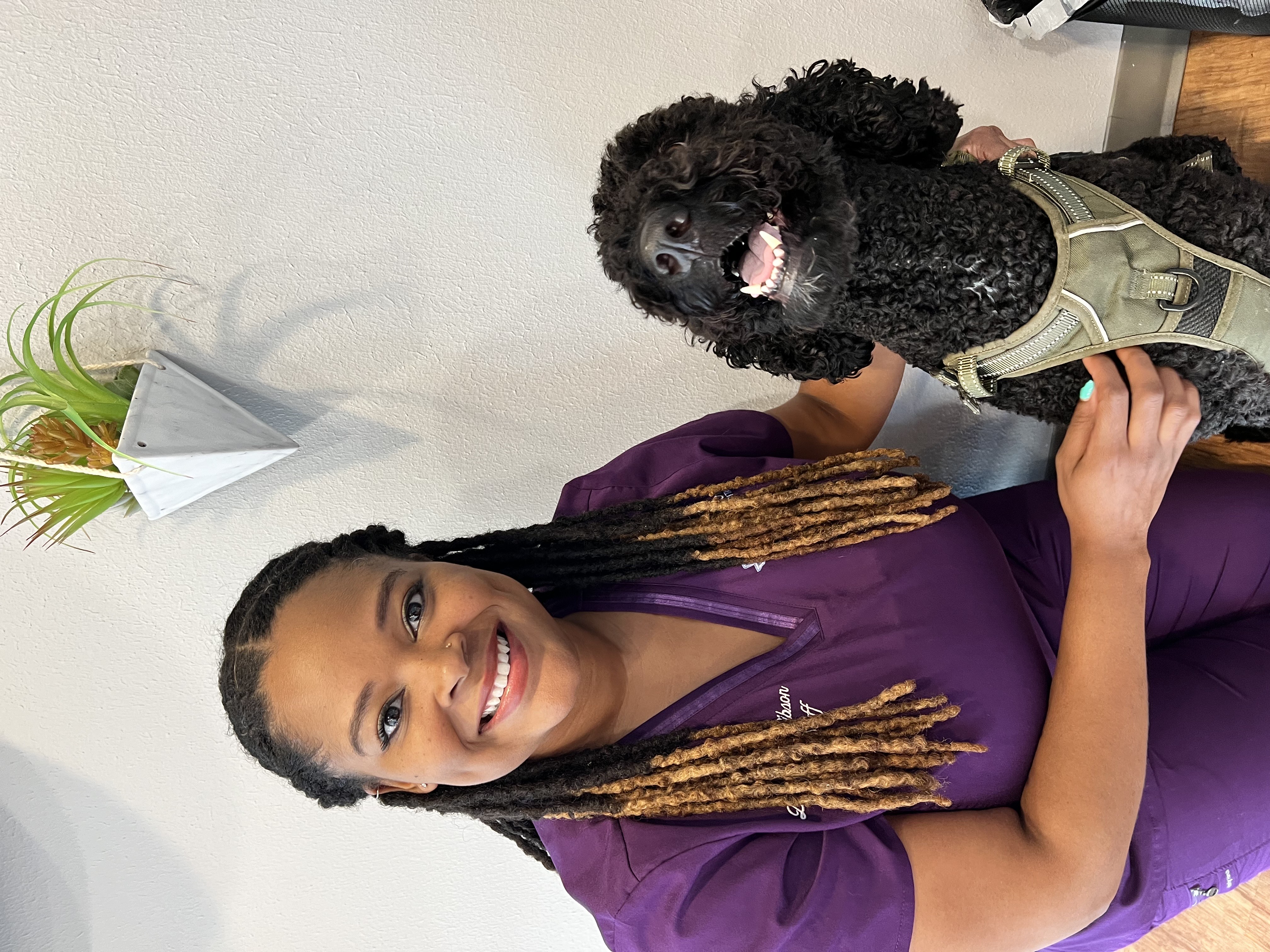
Vaccines are one of the simplest, most effective ways to protect your dog, cat, or exotic companion from serious, preventable diseases. Whether you're raising a playful puppy, a curious kitten, or caring for a scaly or feathered friend, staying current on your pet's vaccinations is one of the most important things you can do for their long-term health.
At Gibson's Paws, Claws & Crawls Veterinary Hospital, pet vaccinations are about more than checking a box at your pet's annual exam. It's about giving your pet the strongest possible protection while helping protect the animals and people around them, too.
Here's Dr. Gibson's guide to what vaccines actually do, which myths are worth letting go of, and how to build a plan that fits your pet.
Why Do Pets Need Vaccines?

Vaccines train your pet's immune system to recognize and fight specific diseases before those diseases have a chance to take hold.
Some of the illnesses vaccines protect against are dangerous, difficult to treat, highly contagious, zoonotic (which means they can be spread to you, your children, elderly or immunocompromised individuals), or even fatal. Vaccinating your pet lowers their risk of serious illness and, in many cases, can prevent infection altogether.
Vaccination also protects the wider pet community. The more pets who are appropriately vaccinated, the fewer opportunities preventable diseases have to spread.
Vaccines Work: What the Data Shows
The numbers back up what our team sees every day in the exam room.
Rabies is one of the clearest examples. Thanks to consistent, widespread pet vaccination, the canine-specific strain of rabies has been eliminated from the United States since 2007, according to the CDC. Veterinarians vaccinate more than 90 million cats and dogs against rabies every year, and that consistency is a major reason human rabies cases in the U.S. remain rare. Pets are at risk of contracting rabies from rabid wild animals or unvaccinated pets. If contracted, rabies is both fatal to animals and the people they interact with. Recent news stories have shown examples of rabies being spread from bats flying into houses at night, and infecting both pets and animals with the virus.
Parvovirus tells a similar story from the other direction. In unvaccinated puppies, canine parvovirus is often fatal — without treatment, survival can be as low as 9%, according to veterinary research published in Today's Veterinary Practice. That's exactly why the parvovirus vaccine is classified as core by both the World Small Animal Veterinary Association and the American Animal Hospital Association — it's one of the most effective tools available for preventing a disease that's difficult, expensive, and heartbreaking to treat after the fact. Parvovirus is highly contagious, and can live in the soil outside for up to 2 years.
Infectious diseases can be transmitted from a simple walk outside, contact with stagnant water, sniffing a new pet at the park or store, or spread by pests and insects. The benefits of preventive protection always outweigh the small risks associated with administering these vaccines.
More broadly, the American Veterinary Medical Association notes that vaccination is highly effective at preventing disease, or at least reducing its severity, when pets are vaccinated on schedule. Once a pet is fully vaccinated, it's rare for their immune system to fail to fight off the diseases they're protected against.
None of this means every pet needs every vaccine. It means the vaccines your vet does recommend are backed by real, measurable outcomes.
"But My Pet Doesn't Go Outside" Do Indoor Pets Really Need Vaccines?

One of the most common things we hear from pet parents is, "My pet doesn't go outside, so they don't need vaccines."
The truth is, even indoor pets can be exposed to infectious disease.
Your pet doesn't have to roam the neighborhood or interact with another animal to encounter something harmful. Disease-causing organisms can find their way into your pet's environment in surprising ways.
Standing water in your own backyard, for instance, can harbor infectious bacteria, and can attract mosquitoes, and mosquitoes can transmit certain diseases to pets. You can also unknowingly track infectious organisms into your home on your shoes, clothing, or bags.
And even the most home-bound pet will occasionally need a trip to the veterinarian, a stay with a pet sitter or boarding facility, or a visit to the groomer. Those small exposures add up.
Being an indoor pet lowers certain risks. It doesn't eliminate them.
Understanding Vaccine Hesitancy | It’s OK to Ask Questions
When pet owners talk about vaccine hesitancy, they usually mean one of a few things: concern about possible side effects, or uncertainty about whether their pet really needs every recommended vaccine. Those are fair questions, and asking them is part of being a responsible pet parent.
Rather than skip a vaccine because of something you read online or because your pet seems healthy, talk to us about it. We'll walk you through what each vaccine protects against, how often it's recommended, and which vaccines make sense for your pet's age, lifestyle, species, health history, and exposure risk.
Vaccination isn't one-size-fits-all. Our vet-led team can help you build a plan that's right for your individual pet.
Vaccines Aren't Just for Puppies and Kittens
Young pets are especially vulnerable because their immune systems are still developing. That's why puppies and kittens receive a series of vaccines in their first few months of life. But your pet's need for protection doesn't end at adulthood.
Immunity can change over time, and many vaccines require regular boosters to stay effective. Your veterinarian can recommend a schedule based on your pet's individual needs and current guidelines.
Senior pets benefit from continued preventive care, too. Getting older is not a reason to stop vaccinating. In fact, this is an essential time in which the immune system begins to decline and needs more support.
What About Exotics, Small Mammals, Aquatics, and Farm Animals?

At our clinic, "pet" has never
meant just dogs and cats. We see rabbits, ferrets, guinea pigs, birds, reptiles, and even small farm animals like goats, sheep, and potbellied pigs — and vaccine needs look different for every one of them.
Small mammals: Ferrets are typically vaccinated against rabies and canine distemper, both of which can be fatal. Rabbits in higher-risk areas may need protection against rabbit hemorrhagic disease. Guinea pigs and other small rodents generally don't have core vaccines, but they still benefit from regular wellness exams to catch illness early.
Birds: Routine vaccination is less common for most companion birds, though it may be recommended in certain situations, particularly with exposure to other birds.
Reptiles and amphibians: There currently aren't licensed vaccines for most reptiles and amphibians. Prevention here leans on quarantine for new arrivals, proper habitat management, and regular wellness checks.
Aquatic pets: Vaccination isn't standard practice for pet fish. Water quality, quarantine, and prompt attention to changes in behavior or appearance are the front line of defense.
Small farm animals: Goats and sheep often follow a core CDT vaccine protocol, and needs for pigs and other backyard animals vary based on their environment and exposure to other animals.
Because protocols (and what's even available) vary so much by species, the best move for any non-dog, non-cat pet is a conversation with a vet who treats exotics and small mammals regularly. That's exactly what our team does every day.
What About Vaccine Side Effects?
Like any medical treatment, vaccines can sometimes cause side effects. Most are mild and short-lived: soreness at the injection site, a little tiredness, or a temporary dip in appetite.
More serious reactions are uncommon, but they can happen. That's why it matters to tell our team about any previous vaccine reactions or health concerns your pet has had. We'll help you weigh the risks and benefits for your individual pet.
Prevention Is Part of Compassionate Care
You can't see the diseases vaccines protect against. That doesn't mean the risk isn't there.
Vaccination is one part of a bigger preventive care plan that includes wellness exams, parasite prevention, nutrition, and dental care. Together, these steps help catch problems early and give your pet the best shot at a long, healthy life.
If you're not sure whether your pet is due for a vaccine, come see us. Our team can review your pet's history, lifestyle, and exposure risks, and help you figure out exactly what protection they need — because keeping your pet healthy starts with preventing problems before they happen.
Vaccination recommendations vary by species, age, health status, lifestyle, and exposure risk. Talk with your veterinarian about the best vaccination plan for your pet.
Ready to Protect Your Pet?
Ready to book an appointment or have a question about your pet's vaccine schedule? Contact us at (281) 443-2626 today. We're here for every furry, feathered, or scaly member of your family.
Book Online (for existing clients)


Comments