
What Are Heartworms? How These Parasites Affect Your Pet’s Heart and Lungs
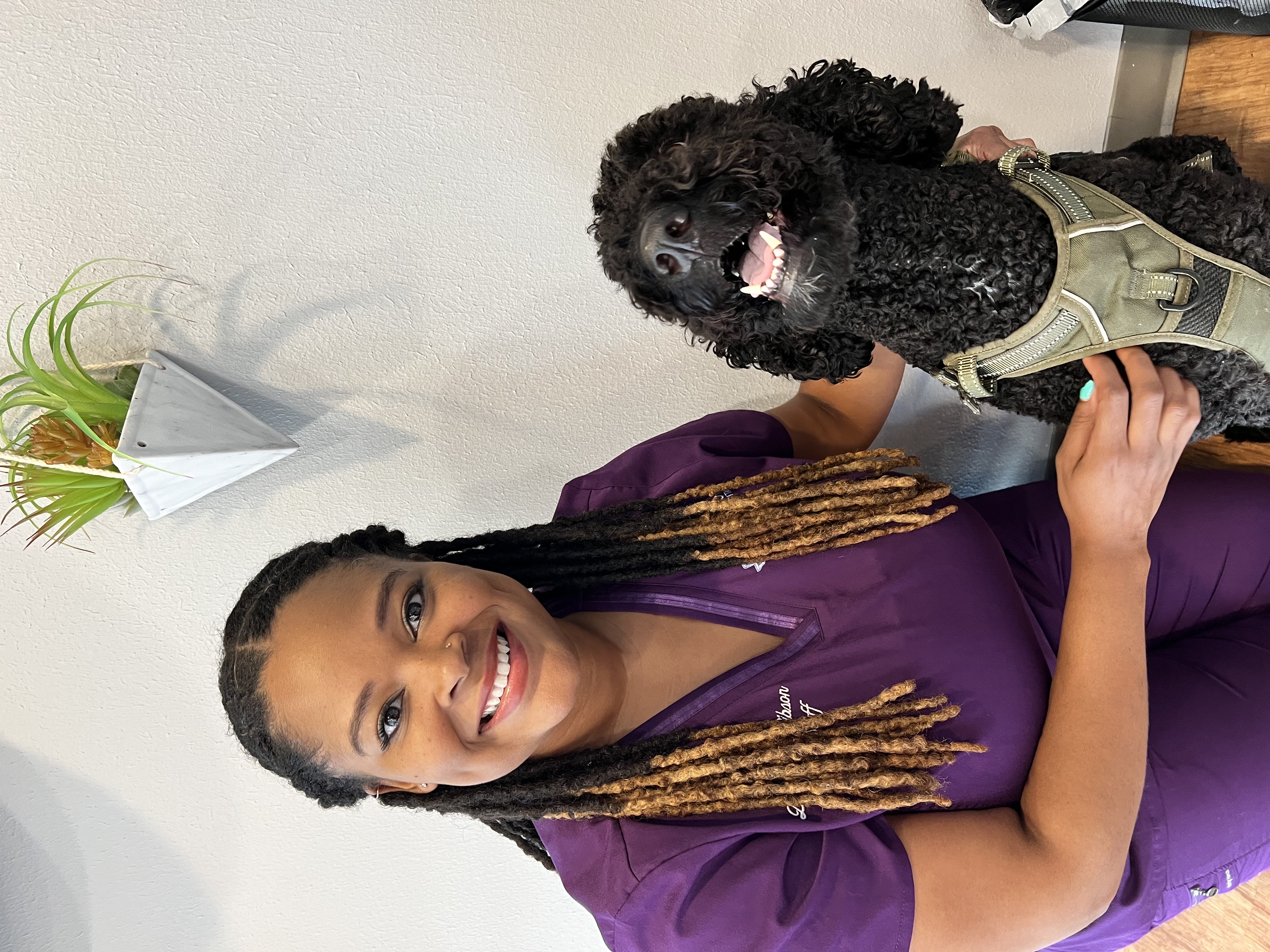
Heartworms are more than just another parasite to worry about. These potentially life-threatening worms live in your pet's heart, lungs, and the blood vessels connecting them, and they can cause serious damage before you notice anything is wrong. The good news: heartworm disease is largely preventable with consistent medication and routine veterinary care.
If you live in the Houston area, this matters right now. In the American Heartworm Society's latest national survey, Texas topped the list of states with the highest heartworm incidence for the first time.
At Gibson's Paws, Claws & Crawls Veterinary Hospital, we believe informed pet parents are empowered pet parents. Here is what you need to know about heartworms, how they spread, what they cost to treat, and how to protect your dog, cat, or ferret.
What Are Heartworms?
Heartworms are parasitic worms (Dirofilaria immitis) spread by mosquitoes. They live in the blood vessels of the lungs and, in more advanced infections, the heart, where they can damage your pet's organs and become fatal if left untreated. Dogs are the most common hosts, but cats and ferrets can be infected too.
Unlike intestinal worms that live in the digestive tract, adult heartworms interfere with normal blood flow and put significant strain on the cardiovascular and respiratory systems. They are not small. According to the FDA, adult females can reach about 12 inches long, a dog can carry anywhere from 1 worm to 250 (the average is about 15), and the worms can live 5 to 7 years in a dog.
Heartworm disease affects dogs of all ages, breeds, and sizes. Cats can become infected as well, although the disease often looks different in felines and can be difficult to diagnose.
Dogs, cats, and ferrets are the pets most affected by heartworm disease, according to the AHS.
How Do Pets Get Heartworms?

Heartworms spread through the bite of an infected mosquito. Your pet cannot catch them from playing with an infected animal or sharing food and water bowls. Here is how transmission works:
An infected mosquito bites an animal. The mosquito picks up microscopic heartworm larvae while feeding on an infected host.
The larvae develop inside the mosquito. This takes about 10 to 14 days, after which the larvae are able to infect another animal.
The mosquito bites your pet. It deposits infective larvae onto the skin, and they enter through the bite wound.
The larvae mature inside your pet. They travel through the body and take about 6 to 7 months to become adult worms in dogs (7 to 8 months in cats). Adult worms then settle in the pulmonary arteries and, in more severe cases, the heart.
Because mosquitoes can slip into homes through open doors and windows, even pets who spend most of their time indoors can be at risk. And that long timeline is part of the danger: a pet can be infected for months before a test can detect it.
Why Heartworm Prevention Matters in Houston and Across Texas
Heartworms are a nationwide problem, and Texas is at the center of it right now. Here is what the latest data shows:
Texas ranked first. In the American Heartworm Society's 2025 survey (map released April 2026), Texas topped the list for the first time, followed by Louisiana, Arkansas, Mississippi, and South Carolina. The AHS also named east Texas a hot spot where diagnosed infections have increased since the previous survey.
Most vets see cases. Only 10% of the practices and shelters that responded reported zero heartworm cases in 2025, and 19% reported an increase compared with the last survey.
No state is heartworm-free. The FDA says heartworm disease has been reported in pets in all 50 states. The AHS estimated about 1 million infected dogs in 2019, up from about 890,000 in 2001, according to the AVMA's JAVMA News.
Mosquitoes are not just a summer problem. The Texas A&M Veterinary Medical Diagnostic Laboratory points out that mosquito activity is not limited to summer or warm-weather regions.
Here in the Houston area, warm weather and mosquitoes are familiar parts of life. That is why the AHS and the FDA both recommend year-round prevention, and why we do too.
What Do Heartworms Do to Your Pet's Body?

Heartworms cause more damage the longer they go untreated.
In dogs, adult worms inflame and damage the blood vessels in the lungs, disrupt circulation, and strain the heart. As the disease progresses, dogs may develop breathing problems, tire easily, and, in severe cases, go into heart failure. How serious it gets depends on how many worms are present, how long the infection has gone untreated, and your dog's overall health.
In cats, heartworms behave differently. Cats are typically infected with only one or two worms, but even that small number can cause serious lung problems, including asthma-like symptoms and breathing trouble, according to veterinary experts at Purdue University. Some cats become suddenly and severely ill, and some die without showing any earlier signs, the FDA notes.
In ferrets, even one worm is dangerous. The AHS says a single heartworm can cause serious disease or death in a ferret, and as many as 14 have been found in one animal.
One of the biggest concerns with heartworm disease is that your pet can look perfectly healthy in the early stages. By the time symptoms appear, damage may already be happening.
What Are the Signs of Heartworm Disease?
Symptoms depend on the species, the severity of the infection, and how far the disease has progressed. Some pets show few or no signs until the infection is advanced.
Signs in dogs may include:
A persistent, mild cough
Fatigue or reluctance to exercise
Decreased appetite
Weight loss
Difficulty breathing
A swollen, fluid-distended abdomen in advanced cases
Signs in cats can be less predictable and may include:
Coughing, or rapid or labored breathing
Vomiting
Reduced appetite or activity
Weight loss
Sudden collapse
Heartworms can cause asthma-like symptoms in cats, so a cough or breathing trouble deserves a closer look.
Signs in ferrets may include:
Lethargy
Coughing
Open-mouth or rapid breathing
Pale blue or muddy-colored gums
Decreased appetite and weight loss
Dark-colored urine
Weakness or paralysis of the hind legs, or an enlarged abdomen in advanced cases
Ferrets can also die suddenly, so any breathing trouble is a reason to call us right away.
When to get help: If your pet is struggling to breathe, collapses, or develops sudden severe weakness, seek emergency veterinary care right away. For less urgent concerns, like a lingering cough or low energy, schedule an appointment so we can talk through your pet's symptoms and heartworm risk.
How Is Heartworm Disease Diagnosed?

Heartworm testing can find an infection before your pet shows any symptoms. In dogs, screening is a simple blood test that detects proteins from adult female heartworms. If it is positive, we will recommend more testing, such as checking for circulating larvae, imaging to look at the heart and lungs, and bloodwork to check internal organ function.
Timing matters. The FDA recommends testing your dog before starting or restarting prevention, and yearly after that, even if your dog takes medication on schedule, because "no drug is 100% effective." A dog's test can turn positive as early as about 5 months after a mosquito bite, so a negative result tells us what is detectable today, not what may be developing.
Cats are harder to test. They often carry fewer worms, and standard tests don't catch every infection, so veterinarians may combine blood tests, X-rays, ultrasound, and clinical findings to assess a cat's risk. Diagnosis in ferrets is also more complicated and often takes a physical exam plus an X-ray or ultrasound.
Routine testing is an important part of your pet's preventive care plan, and we can recommend a schedule based on your pet's age, prevention history, and individual risk.
Heartworm Prevention vs. Treatment
The best way to protect your pet is consistent, veterinarian-recommended prevention. Options include monthly oral medications, topical treatments, and, for dogs, longer-lasting injections. They all require a prescription, and they work by killing larvae, not adult worms, which is why doses need to be on schedule. We will help you choose the option that fits your pet's age, lifestyle, and medical history. Cats and ferrets need species-appropriate prevention too, including indoor pets. The AHS recommends that ferrets stay on a monthly preventive for life, using a medication approved for ferrets.
Prevention is also much easier on your pet and your wallet. The Texas A&M Veterinary Medical Diagnostic Laboratory reports that treating heartworm disease in dogs costs thousands of dollars more than a 12-month supply of preventive medication. Here is how the two compare:
Prevention | Treatment (dogs) | |
Typical cost | A fraction of the cost of treatment (ask about our 12-month special) | |
What it involves | One dose a month, year-round, plus a yearly test | Antibiotics, strict activity restriction, a series of injections, and follow-up testing |
Safety | ||
If your pet is a cat or ferret | Available and strongly recommended |
Treatment is a multi-step process that the AHS calls both expensive and complex. Activity restriction begins as soon as the diagnosis is confirmed, because exertion speeds heart and lung damage. AAHA notes that treatment always includes an antibiotic and a heartworm preventive, and the FDA notes that dogs also receive injections of an arsenic-containing drug, called Immiticide. About nine months after treatment is completed, a follow-up test confirms whether the worms are gone.
If you have missed a dose or your pet has not been on prevention consistently, call your veterinarian for guidance rather than guessing when to restart.
Heartworm FAQs: What Pet Parents Ask Us Most
Does my indoor pet really need heartworm prevention?
Yes. Mosquitoes get into homes through open doors and windows, and it only takes one bite from an infected mosquito. The AHS and the FDA both say indoor cats are at risk, and the AHS says the same is true for ferrets. Veterinary experts at Purdue University note that indoor cats are exposed about half as often as outdoor cats, but may have trouble clearing the larvae once they are exposed.
Do pets need heartworm prevention in the winter?
Yes. The FDA recommends year-round prevention, and mosquito activity is not limited to summer. A steady year-round routine is also easier to remember than starting and stopping with the seasons.
What should I do if I missed a dose?
Call us rather than guessing when to restart. The AHS warns that missing even one dose, or giving it late, can leave your dog unprotected. For a dog that has been off prevention, the AHS advises restarting monthly preventive right away and retesting 6 months later, since larvae take about six months to mature into adult worms. The FDA also recommends testing before starting or restarting prevention, so we will tell you what is right for your pet.
Can my pet still get heartworms while on prevention?
It is uncommon, but it can happen. The AHS says preventives remain effective in the vast majority of cases, but no product is perfect, and some heartworm populations have shown resistance. It names compliance, meaning giving every dose on time, as the most important factor in preventive failures. Give each dose exactly as labeled, never substitute large-animal or off-label products, and keep up with yearly testing so any problem is caught early.
Are heartworm preventives safe?
Heartworm preventives are prescription medications approved by the FDA, and the FDA continues to monitor approved products for problems after approval. AAHA notes that the drug class used in all FDA-approved heartworm preventives has one of the lowest adverse event profiles in veterinary medicine. As with any medication, individual pets can react differently, so we choose a product based on your pet's age, weight, breed, and health history. If you notice anything unusual after a dose, call us, and we can report it to the manufacturer.
How much does heartworm treatment cost compared with prevention?
Treatment for dogs costs thousands of dollars more than a 12-month supply of prevention, according to the Texas A&M Veterinary Medical Diagnostic Laboratory, and it means strict activity restriction while your dog recovers. Ask us about prevention options and our current special below.
Can cats be treated for heartworms?
There is no FDA-approved drug to kill adult heartworms in cats. Veterinarians can manage symptoms, and surgery is an option only in select cases and carries risk. That is why prevention is the best protection for cats.
Can ferrets and other animals get heartworms?
Yes. Ferrets are the other pet most at risk, even when they live indoors. The AHS recommends a monthly preventive for life, using a medication approved for ferrets. There is no approved drug therapy for heartworms in ferrets, and the treatment used in dogs is not safe for them. If you have a different kind of pet, ask us whether heartworms are a concern for them.
Can I catch heartworms from my pet?
No. Heartworms spread through mosquito bites, and the larvae must develop inside a mosquito before they can infect anyone, so the disease is not contagious between pets or from pets to people. The CDC describes people as accidental hosts who play no role in spreading the parasite. The FDA calls human infection very rare, and the CDC says most reported cases cause no symptoms.
Protect Your Pet With Preventive Care at Gibson's
Heartworm disease is serious, but a few proactive steps make a real difference: consistent prevention, routine testing, and regular veterinary visits. At Gibson's Paws, Claws & Crawls Veterinary Hospital, we are here to help you make informed decisions about your pet's health at every stage of life.
Right now, we have a special to make prevention easier: purchase 12 months of heartworm prevention and get a FREE heartworm test.
Don't wait for symptoms to start thinking about heartworms. Contact Gibson's to schedule your pet's visit, ask about the special, and find the right prevention plan for your furry family member.


Comments